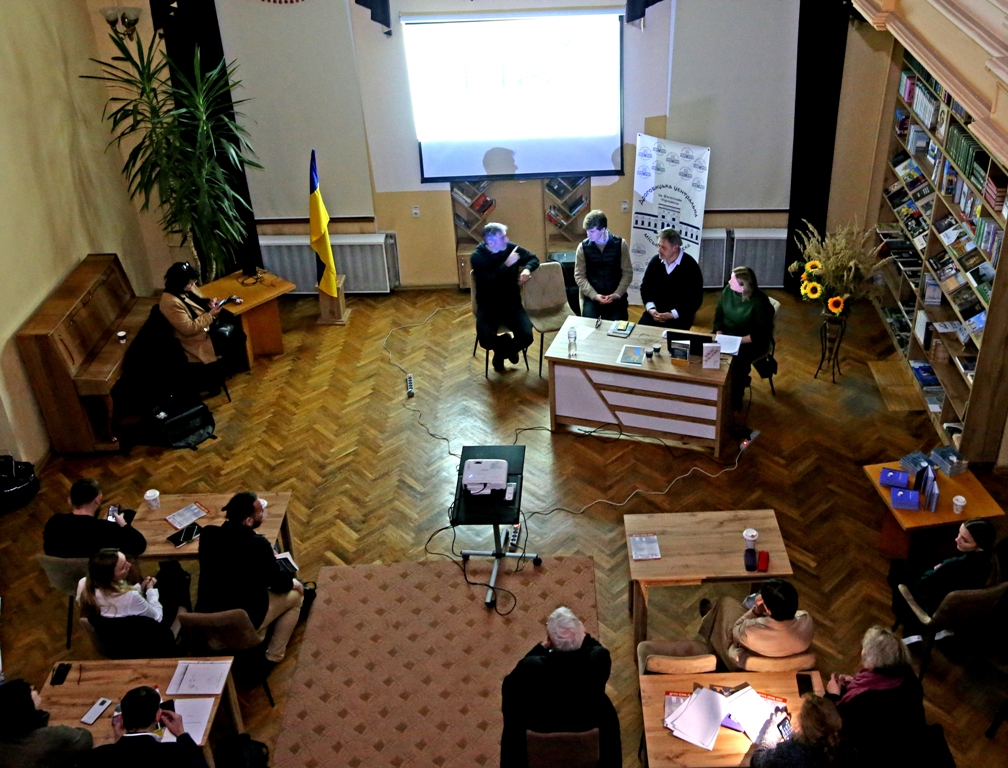
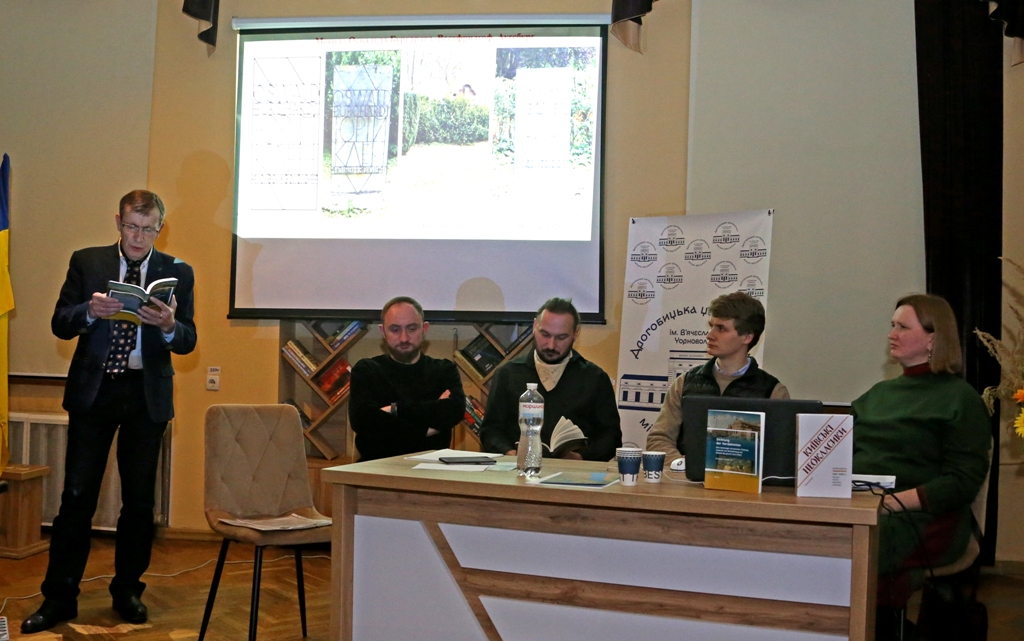
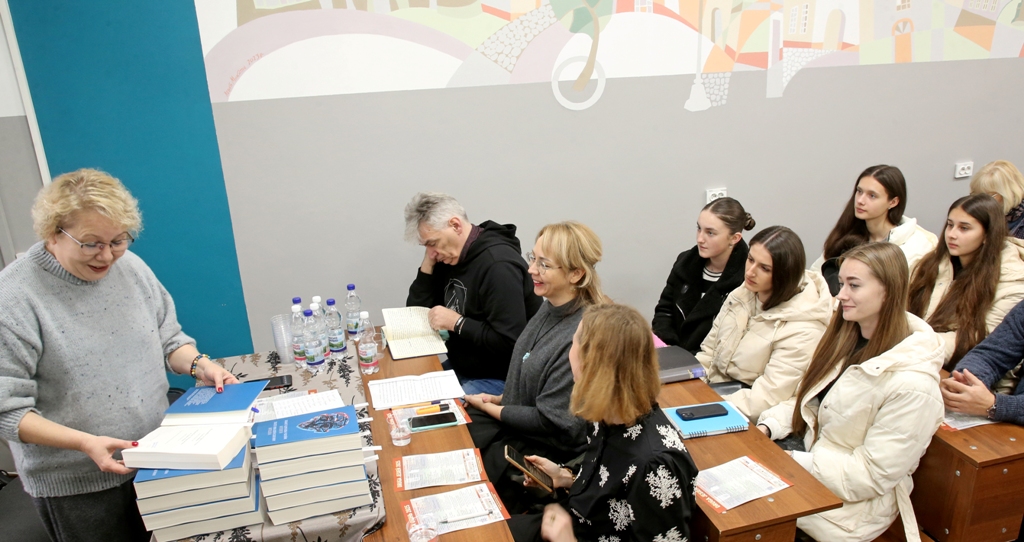
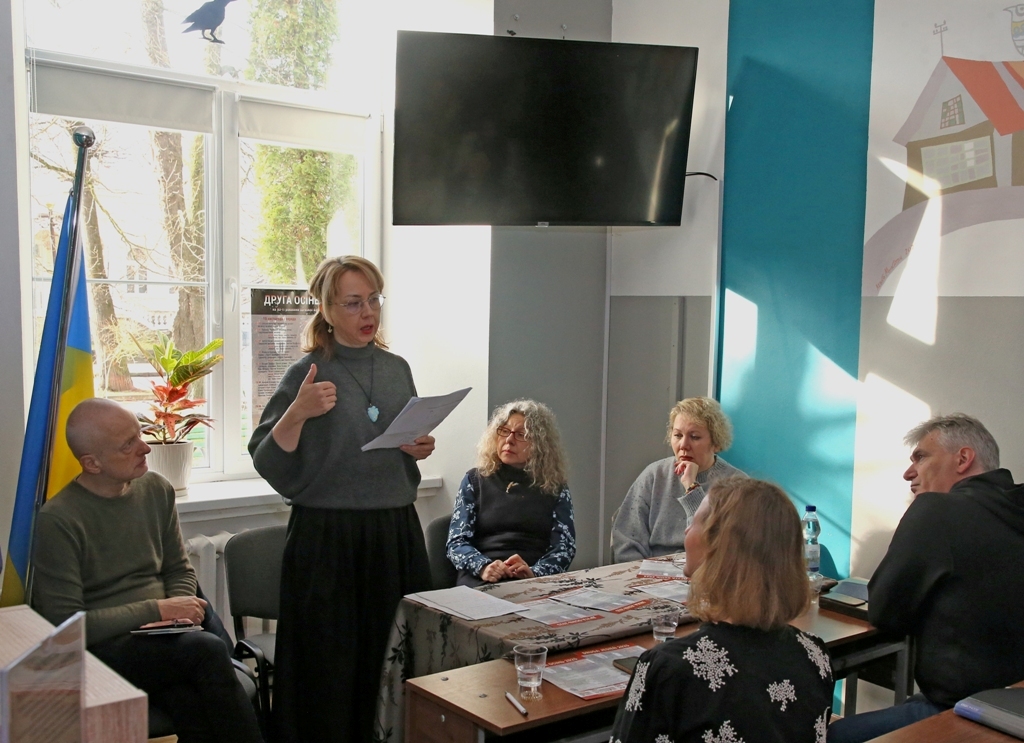
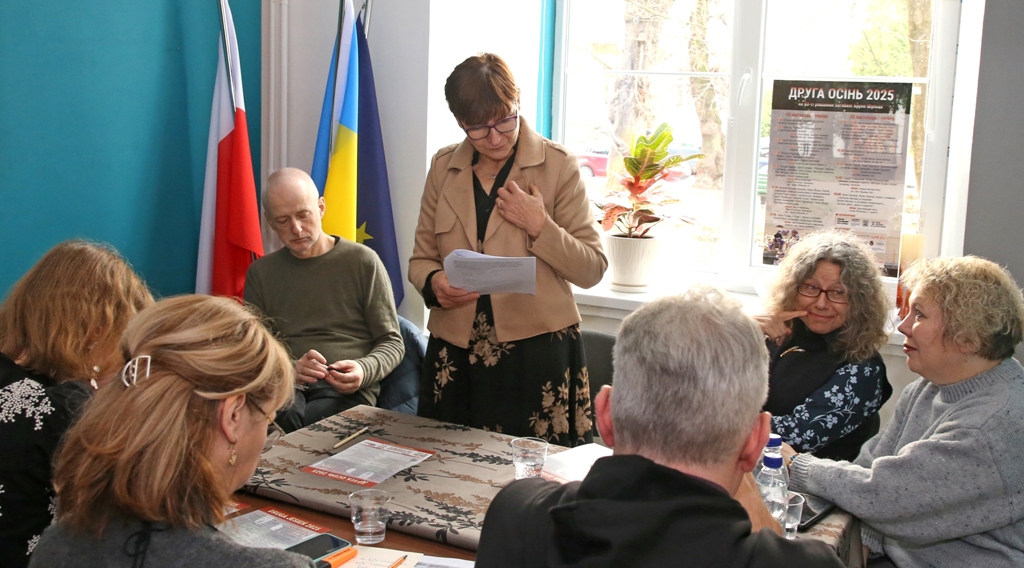
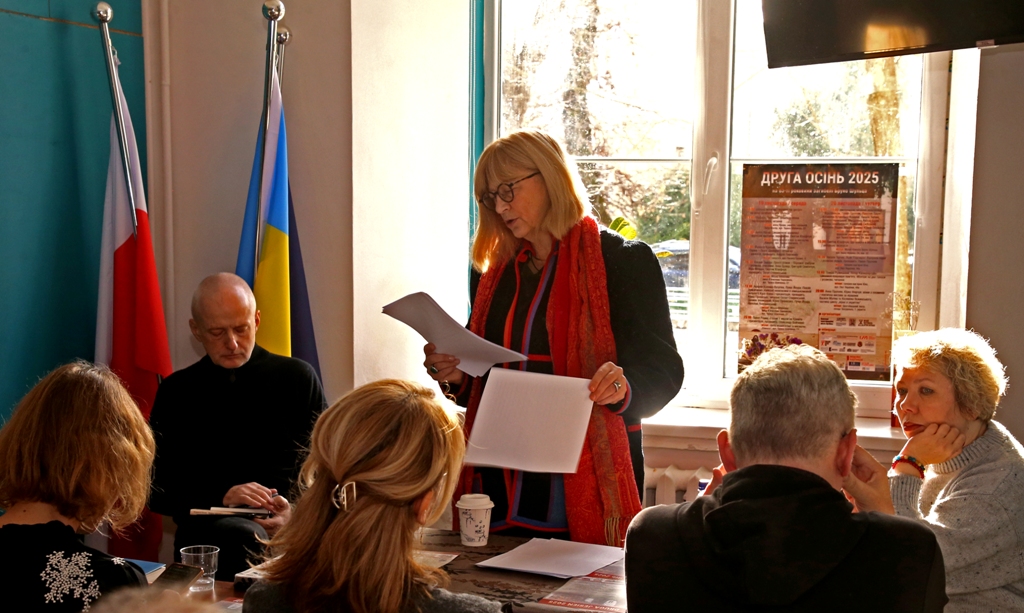
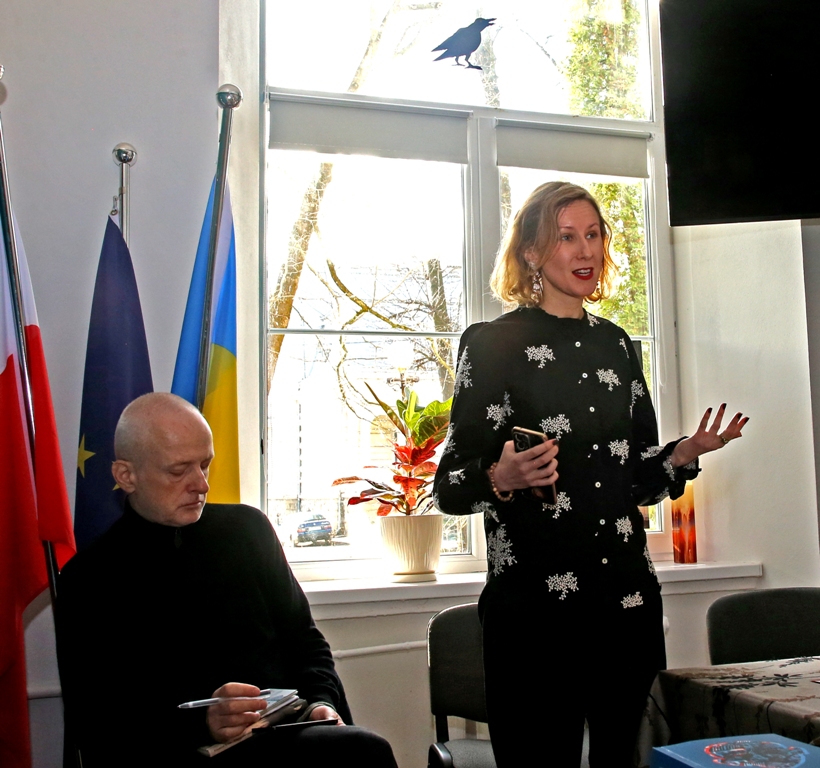
Second Autumn is a cyclical international literary, artistic and scientific project, founded and organized since 2001 by Ihor Meniok Polish Scientific and Information Centre at Drohobych University, the Bruno Schulz Museum and Festival Foundation (Drohobych) and the Bruno Schulz Festival Society (Lublin). Since 2021, the project has been co-organized by the Krakow University of the National Education Commission.
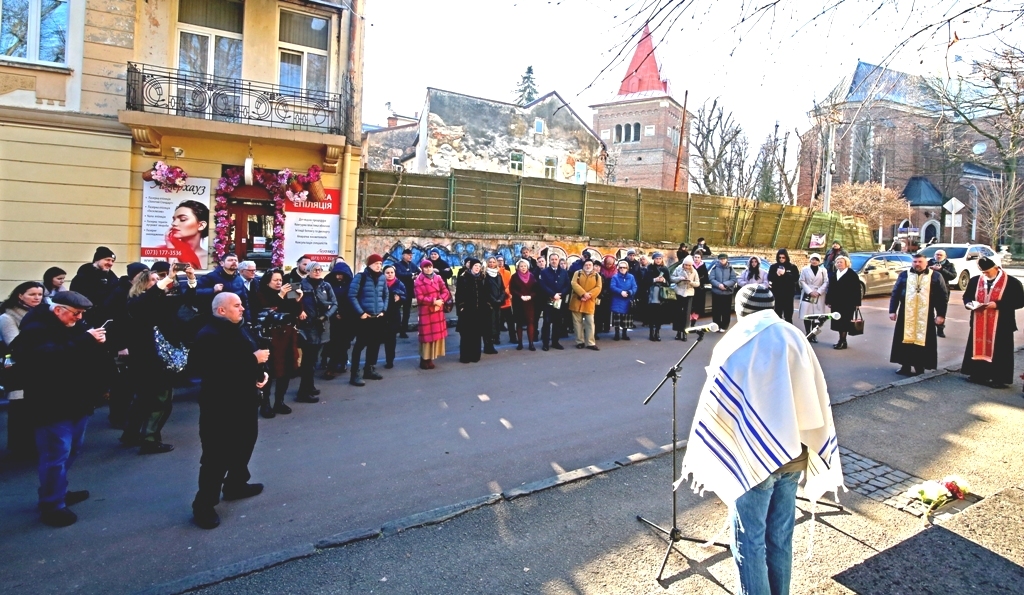
The events of Second Autumn take place annually on the anniversary of the death of Bruno Schulz, who was shot by a Nazi on one of the streets in Drohobych on November 19, 1942. The initial and key element of the two-day cycle of events is an open ecumenical service, which took place on November 19 at the site where the artist met his death at 11:00 a.m. – the exact time he was most likely shot.
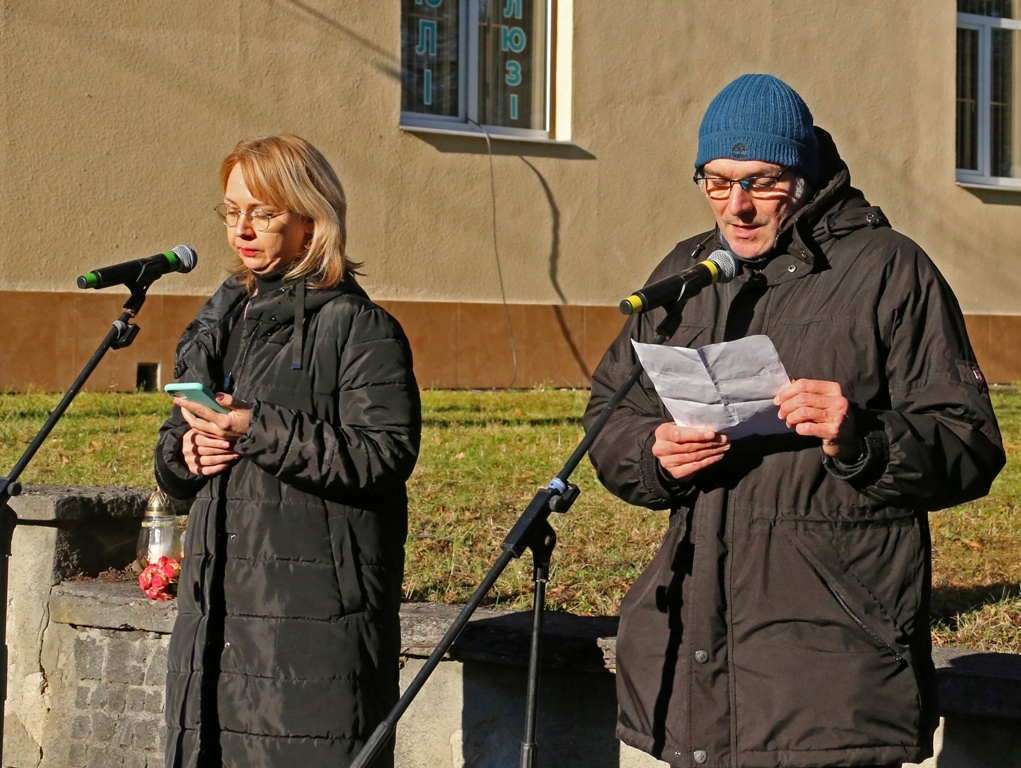
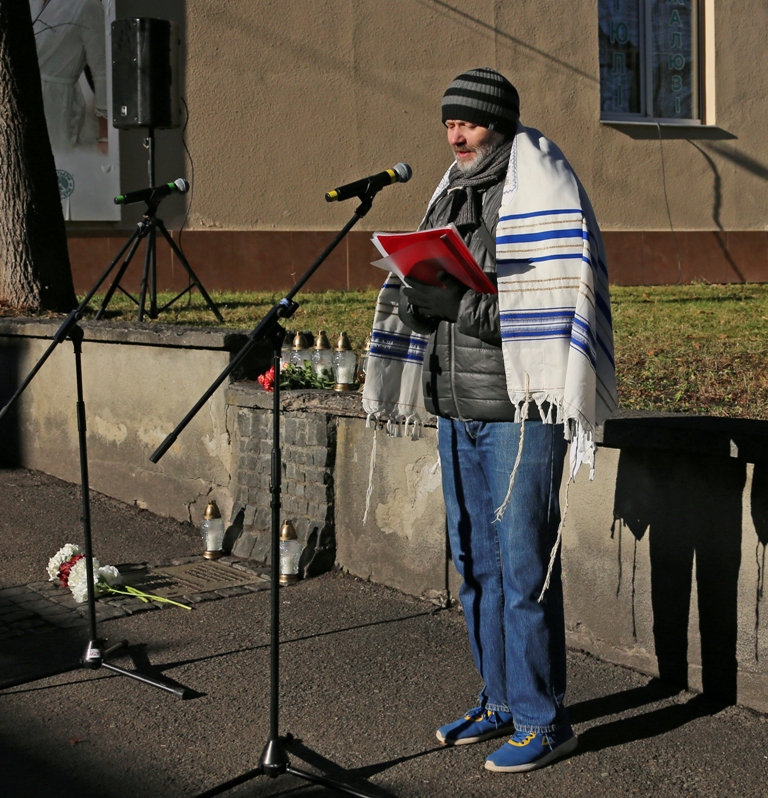
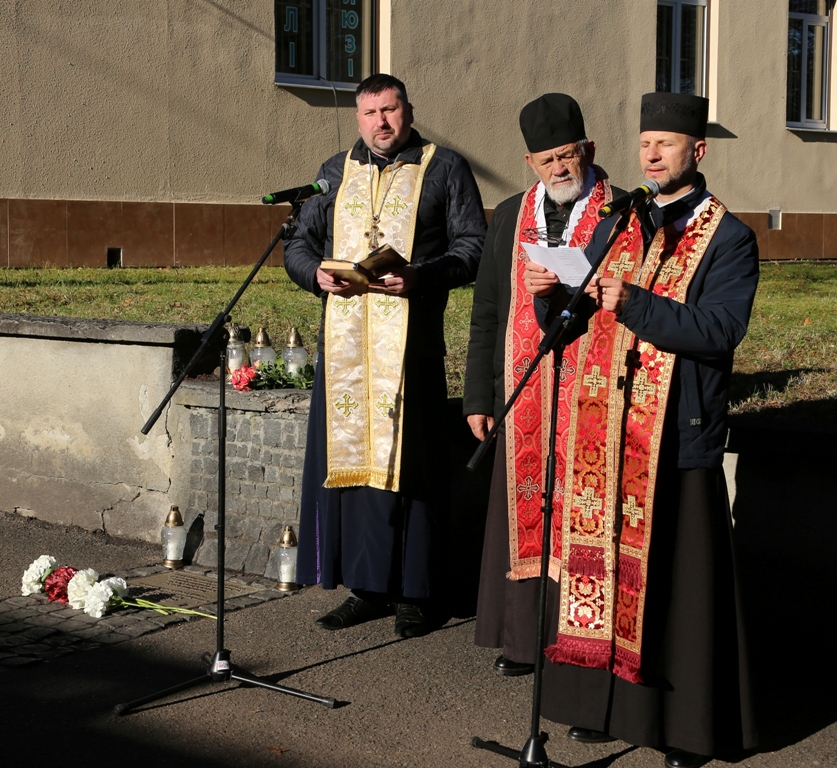
The meeting began with a reading of an excerpt from Schulz’s story “The Second Autumn” in the original and translated into Ukrainian by Yuriy Andrukhovych – this year it was read by a Ukrainian poet and translator Natalia Tkachyk and Polish scholar, poet, translator, and essayist from Germany Lothar Quinkenstein. Then, traditionally, the Kaddish was recited – a Jewish prayer for the dead, this time recited by Anton Sofronov, who moved to the area from Kharkiv at the beginning of the full-scale war, and prayers for Schulz and those who dedicated themselves to preserving his memory and multicultural Drohobych, recited by priests of the Roman Catholic, Greek Catholic and Ukrainian Orthodox faiths.
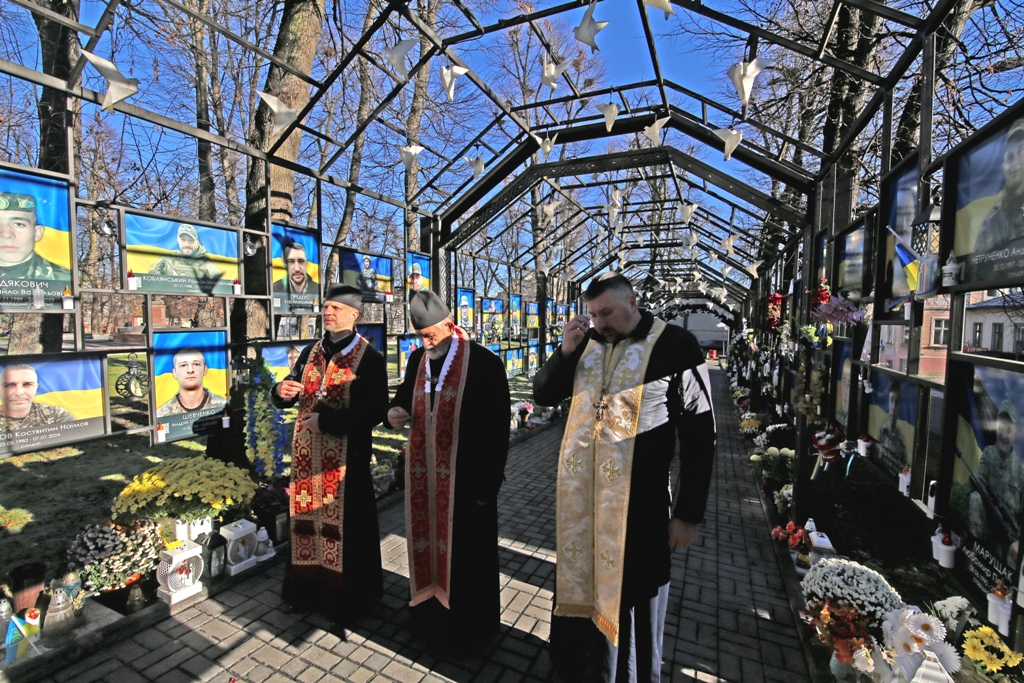
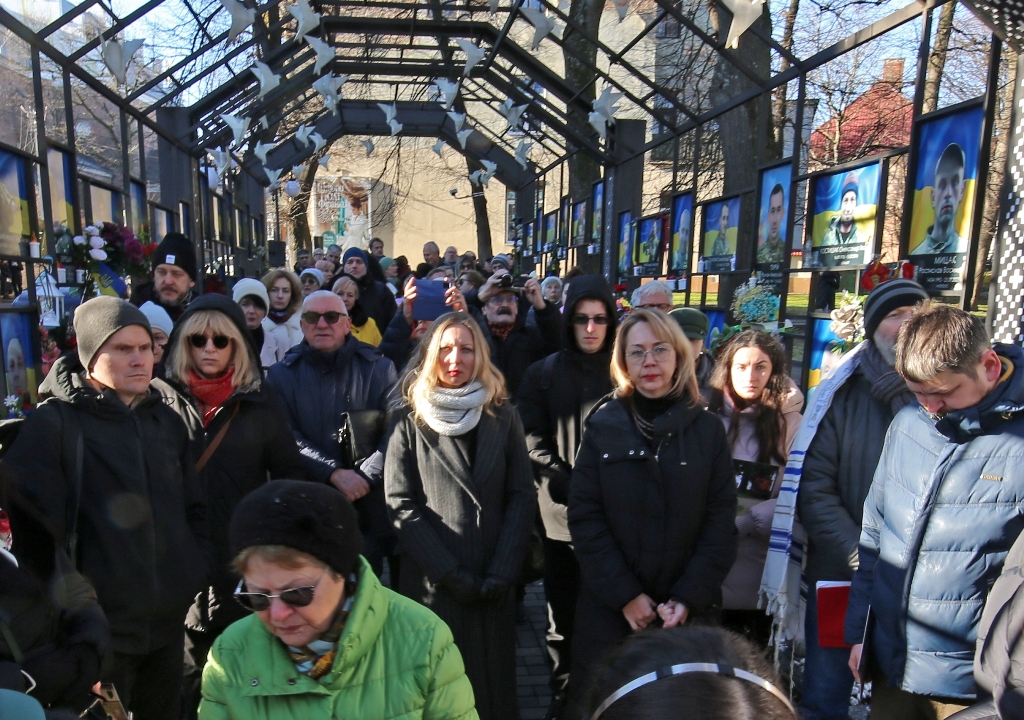
For four years in a row, during the ecumenical meeting on November 19, Drohobych residents, participants and guests of the Second Autumn have also been praying for the defenders of Ukraine who died at the front, and for all the innocent civilian victims killed by the russian terrorist act. During this year’s Second Autumn, numerous attendees prayed together on the Alley of Memory – a place of honoring the memory of Drohobych residents who died in the war against the russian aggressor. The Alley of Memory is located next to the place where Schultz was murdered, marked by a memorial plaque installed. History once again turns its terrible face towards us, its echoes are painfully dramatic. Remembering the victims of terror of all regimes is the key mission of the Second Autumn, which invariably begins with a joint prayer at the place where Schultz was killed, and now extends to the Alley of Memory.
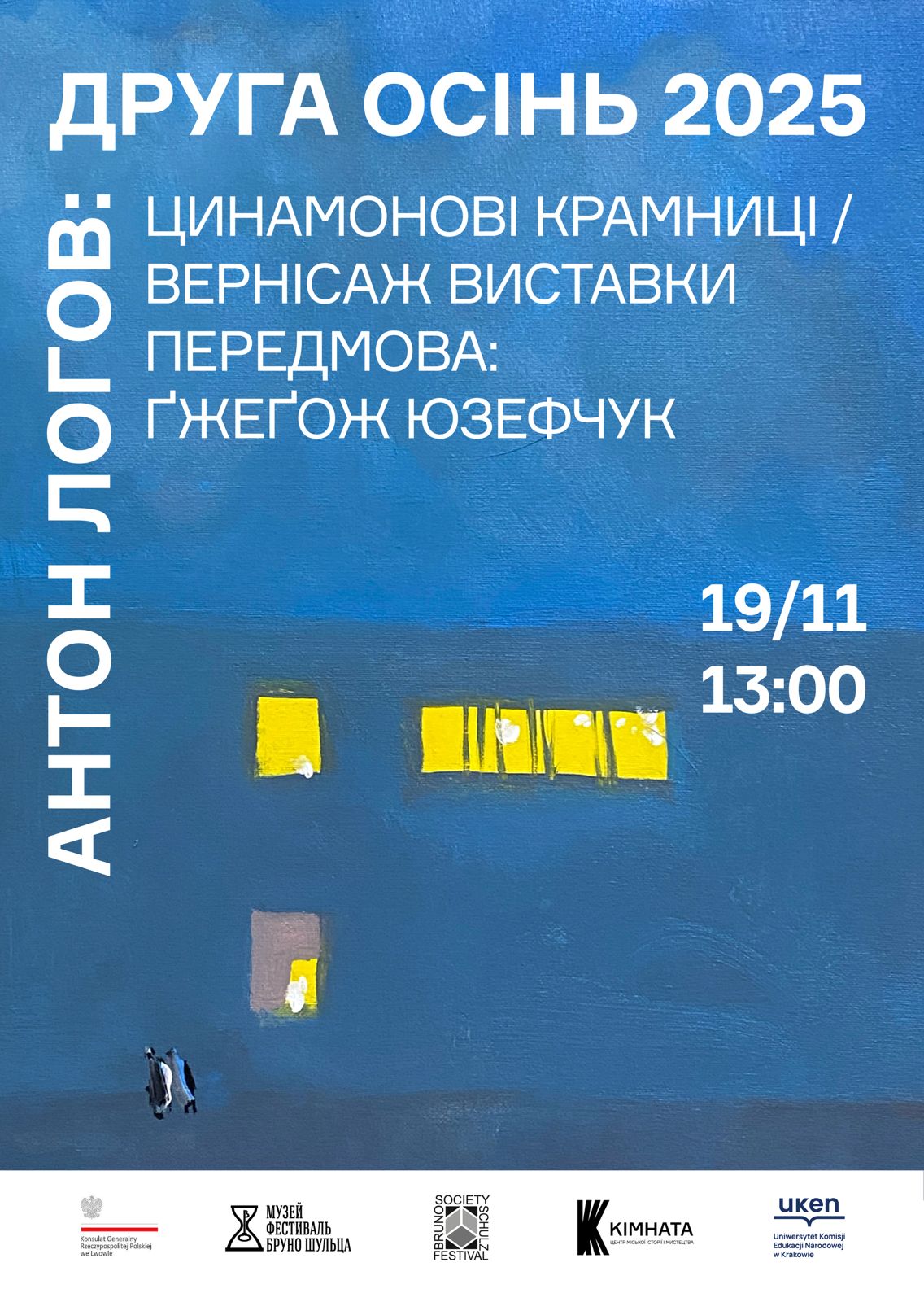
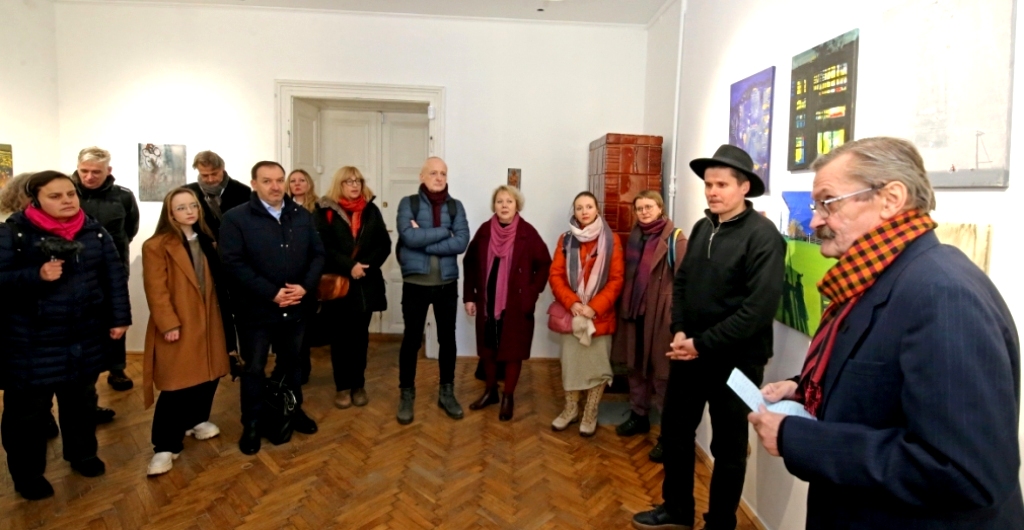
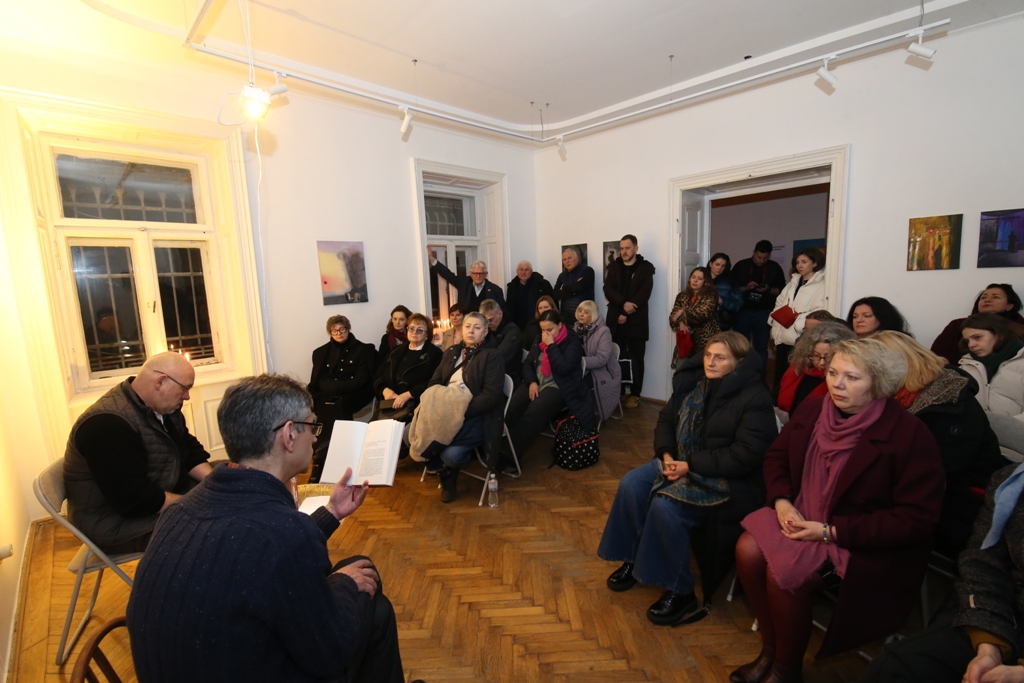
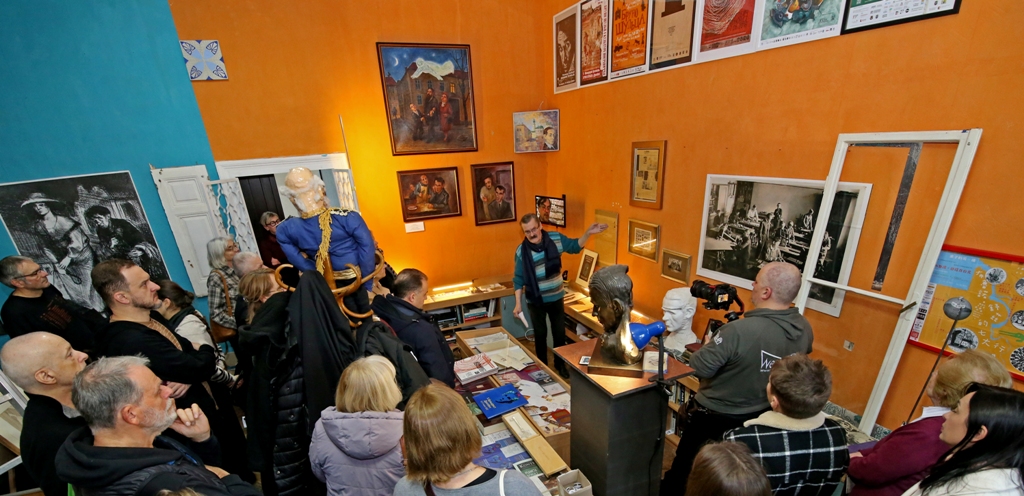
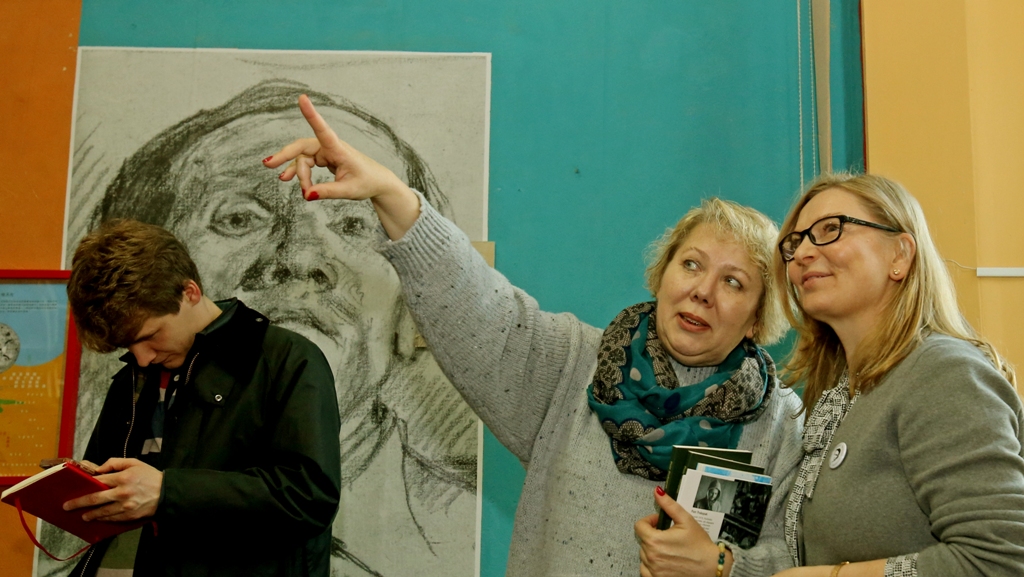
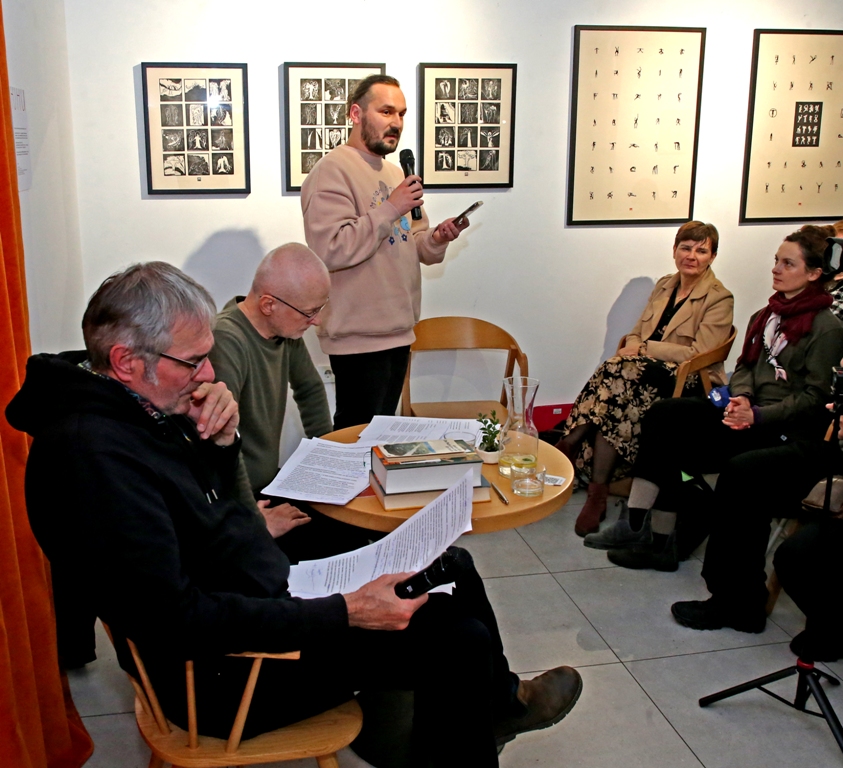
Various artistic, literary, scientific and socio-cultural events took place within the framework of this year’s Second Autumn (November 19–20). After the ecumenical meeting, accompanied by the sounds of the air raid siren, participants and guests had a unique opportunity to join the opening of an exhibition called “Cinnamon Shops” by the famous contemporary artist Anton Lohov from Kyiv, which he dedicated to Schultz. Grzegorz Juzefchuk, Honorary Doctor of Drohobych university, art director of SchulzFest and co-organizer of the Second Autumn, spoke about the fantasy and life-giving world of colors and the metaphysical essence of Lohov’s paintings. The artist shared his understanding of the work and figure of Bruno Schulz, revealing several secrets of his own work.
This year’s Second Autumn was held thanks to the support of the Consulate General of the Republic of Poland in Lviv, the Polish Institute in Kyiv and the Krakow University of the National Education Commission. The event was given honorary patronage by the Consul General of the Republic of Poland in Lviv, Marek Radziwon, the Mayor of Drohobych Taras Kuchma and the Head of the Drohobych Regional Military Administration Stepan Kulyniak.
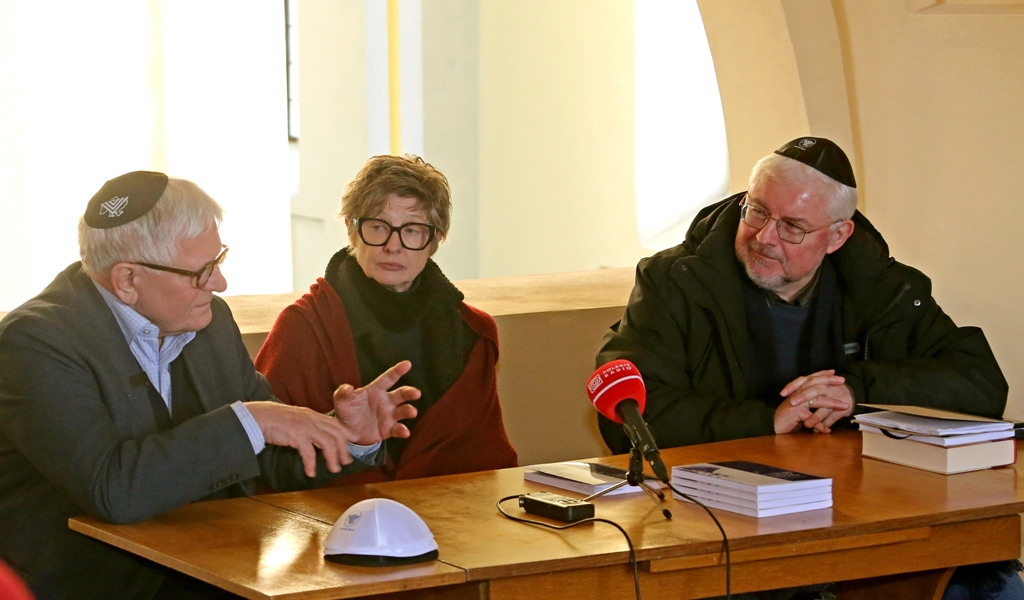
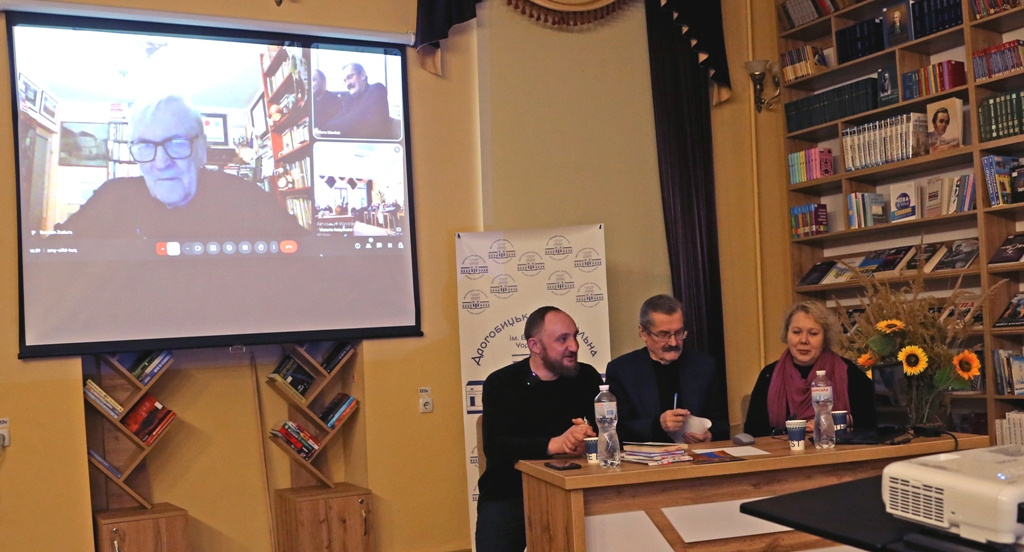
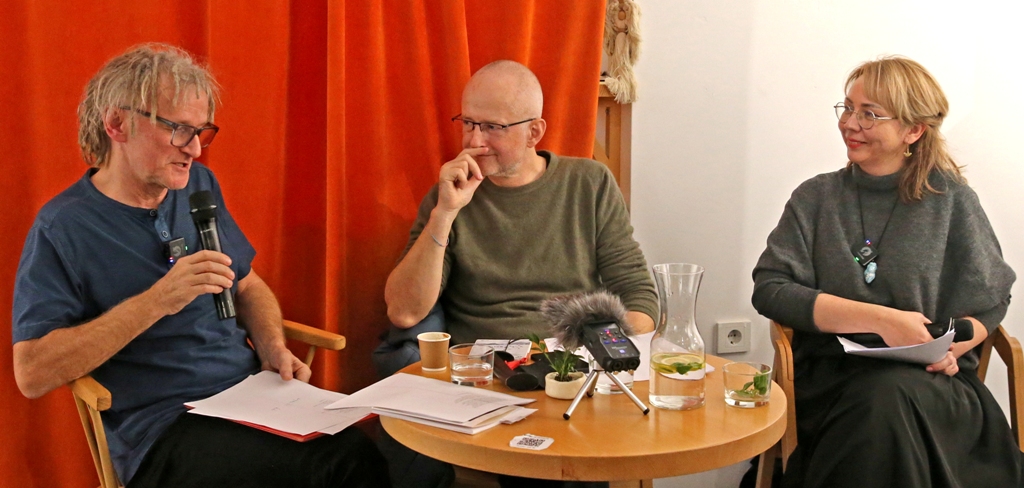
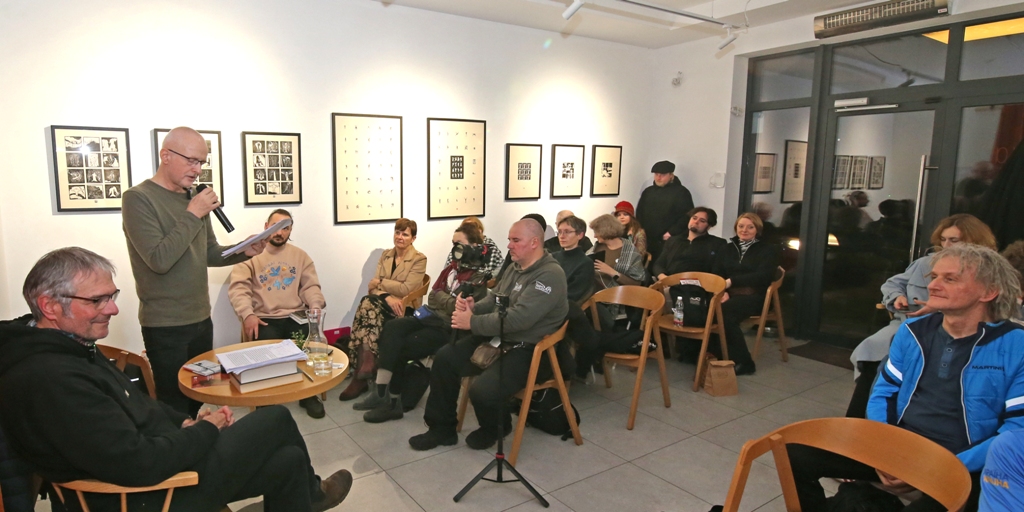
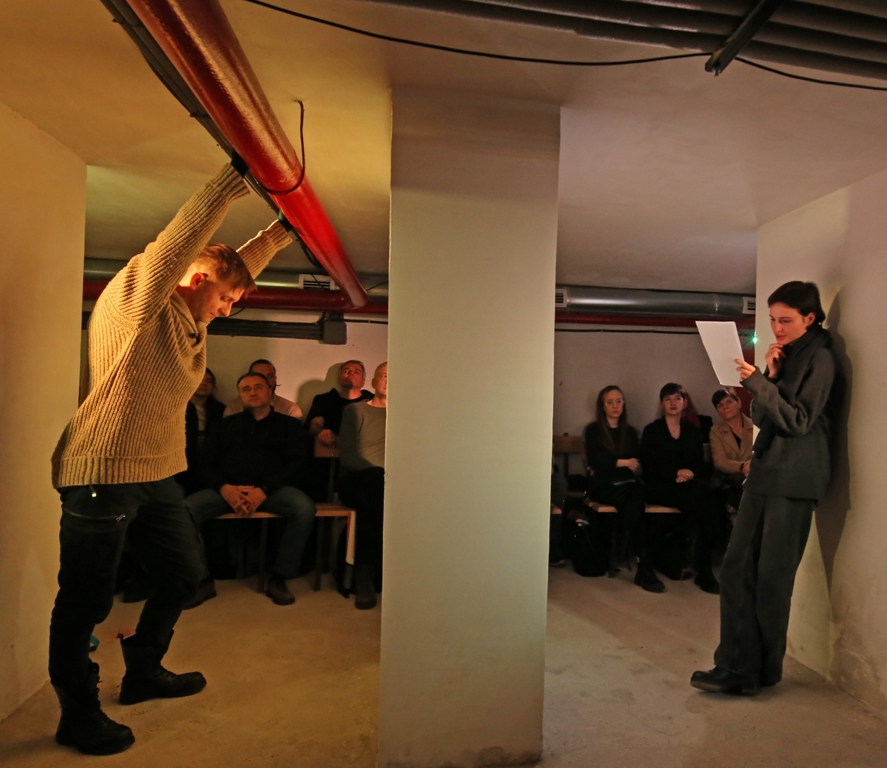
The mission and message of the Second Autumn is to provide cognitive entertainment, consonant with the cultural and social mission of both the humanities and art. Therefore, the Second Autumn is co-created by presentations of scientific research and artistic performances, and their entirety is a form of synergy of thought and imagination, work of memory and continuity of remembrance.
Vira Menyok,
founder and organizer of the Second Autumn, Associate Professor at the Department of Foreign Literature and Polish Studies, Head of the Polish Scientific and Information Centre
Photos: Ihor Fetsiak